

Salt Chlorinator vs Mineral Pool — Which Is Right for Your Perth Pool?

Both salt chlorination and mineral pool systems work well in Perth's climate, and either can keep your pool sparkling year-round. The right choice depends on your budget, how you want the water to feel, and whether you are installing fresh or upgrading an existing setup. Here is what Perth pool owners need to know before deciding.
How Salt Chlorination Works
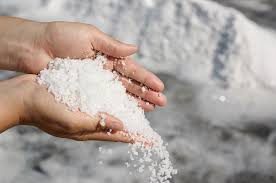
A salt chlorinator uses electrolysis to convert dissolved salt (sodium chloride) into chlorine. You add pool-grade salt to the water, and the chlorinator cell generates a steady supply of chlorine as the water passes through it. The chlorine sanitises the pool, then reverts back to salt, creating a self-renewing cycle.
Salt chlorinators have been the standard in Australian pools for decades. They are reliable, well-understood, and supported by every pool shop in Perth. The salt level in a chlorinated pool is typically around 4,000 to 6,000 parts per million — far lower than seawater, so the water does not taste or feel particularly salty.
How Mineral Pool Systems Work
Mineral pool systems add a blend of natural minerals — typically magnesium chloride, potassium chloride, and sodium chloride — to the water. A compatible chlorinator cell then converts these minerals into sanitiser, similar to a salt system. The key difference is the mineral blend, which changes how the water feels on your skin.
Many pool owners describe mineral pool water as noticeably softer and silkier. The magnesium content is often marketed for its therapeutic benefits, including muscle relaxation and skin hydration. This is the primary reason people switch from salt to mineral — the bathing experience.
Water Feel — The Biggest Difference
If you ask anyone who has swum in both systems, the water feel is what they notice first. Salt pools feel clean and smooth, but mineral pools have a distinctly softer, more luxurious quality. The magnesium in mineral systems gives the water a silky texture that many Perth families prefer, particularly those with sensitive skin or young children.
That said, water feel is subjective. Some pool owners genuinely cannot tell the difference, while others consider it a game-changer. If you are unsure, ask your local pool shop if they have a display pool or can recommend a customer whose pool you could visit.
Cost Comparison for Perth Pools
Salt chlorination is the more affordable option upfront. A quality salt chlorinator typically costs between $1,200 and $2,500 installed, depending on pool size and the brand you choose. Pool-grade salt is inexpensive — roughly $15 to $20 per 25-kilogram bag — and you only need to top up a few times per year.
Mineral systems carry a higher upfront cost, typically $1,800 to $3,500 for the chlorinator and initial mineral charge. The ongoing mineral top-ups are also more expensive than plain salt, usually costing $80 to $150 per mineral addition depending on pool volume and the brand of minerals used.
Over a five-year period, the total cost of ownership for a mineral system is roughly 20 to 40 per cent higher than a salt system. Whether that premium is worth it comes down to how much you value the improved water feel.
Bore Water and Perth Conditions
Perth's northern suburbs rely heavily on bore water for pool top-ups, and this has implications for both systems. Bore water in the Padbury, Joondalup, and Wanneroo areas tends to be high in calcium and iron, which can affect water balance regardless of which sanitisation method you use.
With salt systems, bore water minerals can accelerate scaling on the chlorinator cell if calcium levels are not managed. With mineral systems, the additional minerals from bore water can push the overall mineral content above recommended levels, requiring more careful monitoring.
In both cases, regular water testing is essential. Bring a water sample into Poolwise Padbury for a free test, and we will advise on the best approach for your specific bore water chemistry.
Maintenance Differences
Salt chlorinators require periodic cell cleaning — typically every three to six months depending on water hardness and usage. The cell plates build up calcium deposits that reduce efficiency if not cleaned. Most modern chlorinators have self-cleaning functions that extend the interval between manual cleans.
Mineral systems require similar cell maintenance, plus the additional step of monitoring and topping up the mineral blend. You need to test the mineral levels periodically and add the correct mineral product when levels drop. This is straightforward but does add an extra maintenance task.
Common Myths About Mineral Pools
The most persistent myth is that mineral pools are chemical-free. They are not. Mineral systems still produce chlorine — they simply use a mineral salt blend instead of plain sodium chloride to do it. The chlorine levels in a mineral pool are typically the same as in a salt pool. What changes is the mineral content of the water, not the sanitisation method.
Another common misconception is that mineral pools do not irritate eyes or skin. While many people do report less irritation with mineral water, this is usually because the water is better balanced overall, not because chlorine is absent.
Which Should You Choose?
Choose a salt chlorinator if you want the most cost-effective, proven sanitisation system and you are happy with how salt pool water feels. Salt systems are ideal for budget-conscious pool owners or those building a new pool who want reliable, low-maintenance water care.
Choose a mineral system if water feel is a priority for your family, you have the budget for the higher upfront and ongoing costs, and you want that spa-like bathing experience at home. Mineral systems are particularly popular with families who use their pool daily and value the softer water.
If you are upgrading an existing salt system, switching to minerals is relatively straightforward — in many cases you only need to replace the chlorinator cell with a mineral-compatible unit and add the initial mineral charge. Browse our range of chlorinator cells to see compatible options.
Get Expert Advice at Poolwise Padbury
Still not sure which system suits your pool? The team at Poolwise Padbury can assess your current setup, test your water, and recommend the best option based on your pool size, budget, and water source. We stock and install both salt and mineral systems from leading Australian brands.
Visit us at Shop 14, 75 Warburton Avenue, Padbury, or call (08) 9403 6000 for a free water test and obligation-free advice. We are here to help Perth pool owners make the right choice for their backyard.