

Mustard Algae.... Again?!
If You Didn't Get the Mustard Algae the First Time
Time to get serious. Here's the intensive protocol for stubborn infestations — and why cutting corners simply isn't an option anymore.
⚠️ Let's Be Honest About What's Happening
If your mustard algae came back after treatment, something was missed. That's not a criticism — it's just the reality of dealing with one of the most persistent pool problems in existence. Mustard algae (Phaeophyta) isn't like green algae. It has a waxy, protective outer layer that shields it from normal chlorine levels, and it can survive in a dormant state on virtually any surface that's been in or near your pool.
The most common culprits? A swimsuit that went through a normal wash cycle. A pool toy stored in the shed. Your robotic cleaner sitting in the garage. The brush you used to clean the pool. Any of these can harbour enough viable algae cells to restart the entire infestation within days.
🚫 NO SWIMMING DURING TREATMENT
The intensive treatment protocol requires elevated chlorine levels (20-30+ ppm) and concentrated algaecide doses that are not safe for swimming. Do not enter the pool until chlorine has returned to safe levels (1-4 ppm) and the water has been properly balanced. This typically takes 3-5 days minimum after treatment begins. Test before swimming — don't guess.
Why Your First Treatment Didn't Work
Before diving into the intensive protocol, it helps to understand what likely went wrong. Mustard algae treatment fails for a handful of predictable reasons:
Inadequate Shock Level
Standard shocking won't cut it. Mustard algae requires triple-shock levels — we're talking 30 ppm free chlorine, not 10. If you used a "regular" dose, the algae likely survived.
External Contamination Sources
You treated the pool but not the surroundings. Algae on your equipment, toys, swimwear, or pool deck re-entered the water and started the cycle again.
Insufficient Brushing
Mustard algae's protective coating must be physically disrupted before chemicals can work. A quick brush isn't enough — every surface needs aggressive, thorough scrubbing.
Filter Didn't Get Cleaned
Dead algae in your filter means live algae spores in your filter. If you didn't thoroughly clean or replace your filter media, you've been recirculating the problem.
The Intensive Protocol: Round Two
This isn't the same treatment you tried before. This is the "we're not messing around anymore" version. Follow every step. Skip nothing. This is about treating your pool for the long term, not just knocking the algae back temporarily.
Step 1: Complete Environmental Decontamination
Before you touch your pool chemistry, everything that has contacted the pool water in the past month needs to be treated or replaced:
- Swimwear & towels: Hot wash (60°C+) with added chlorine bleach. If in doubt, throw it out.
- Pool toys, floats & inflatables: Soak in a bucket with 10 ppm chlorine solution for 30 minutes minimum. Rinse and dry in full sun.
- Manual cleaning equipment: Soak brushes, vacuum heads, leaf scoops, and poles in the same chlorine solution.
- Skimmer baskets & pump baskets: Remove, scrub, and soak in chlorine solution.
- Pool deck & surrounds: Spray down with diluted bleach solution, paying attention to areas where water pools or splashes.
- Robotic cleaner: See detailed protocol below — this is critical.
💡 Pro Hint: Protecting Your Equipment During Intensive Treatment
High chlorine levels and concentrated algaecides can be tough on pool equipment. Here's how the professionals handle it:
- Remove your robotic cleaner entirely — don't run it during treatment. The extreme chlorine will degrade seals, cables, and internal components. Clean it separately (see below) and only return it to the pool once levels normalise.
- Backwash your filter every 8-12 hours during treatment. Dead algae clogs filter media rapidly, and a clogged filter stops doing its job. For cartridge filters, remove and hose off — or better yet, swap in a spare cartridge and soak the dirty one in filter cleaner.
- Consider your chlorinator. If you have a salt chlorinator, you can turn it off during shock treatment (you're adding chlorine manually anyway). This prevents overworking the cell while chlorine is already elevated.
- Lubricate rubber seals on pump lids and multiport valves after treatment — extreme chlorine can dry them out. A silicone-based lubricant will extend their life.
- Check your pool cover (if used). Solar covers and blankets harbour algae beautifully. Clean yours in the same chlorine solution as your toys, or leave it off entirely during treatment.
The goal is to kill the algae without sacrificing expensive equipment in the process. A bit of preventative care now saves significant repair costs later.
🤖 Robotic Pool Cleaner Decontamination Protocol
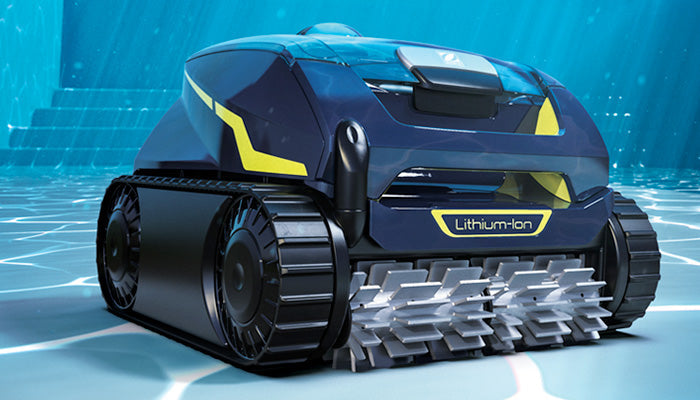
Your Dolphin, Zodiac, Polaris, or other robotic cleaner is one of the most common sources of reinfection. Those fine filters and internal chambers are perfect hiding spots for algae cells.
- Remove from pool and disconnect power supply.
- Open all access panels — remove filter cartridges, baskets, or bags.
- Dispose of debris in the bin, not on the garden or lawn.
- Prepare a soaking solution: Fill a large tub or wheelie bin with water and add granular chlorine to achieve approximately 10-15 ppm.
- Submerge filter components (cartridges, baskets, fine filter panels) for a minimum of 30 minutes.
- For the robot body: Spray down thoroughly with the chlorine solution, paying attention to the brushes, rollers, tracks, and internal chambers. Do not submerge the main unit.
- Rinse everything with fresh water and allow to dry completely in direct sunlight.
- Do not return to pool until chlorine levels have dropped to normal (1-4 ppm) and treatment is complete.
Yes, this seems excessive. But if you've already failed to clear the algae once, consider how much that pool robot has been swimming through contaminated water.
Step 2: Water Chemistry Preparation
For maximum shock effectiveness, your water needs to be properly prepared:
| pH | Lower to 7.0 – 7.2 (critical for chlorine effectiveness) |
| Total Alkalinity | 80 – 120 ppm |
| Stabiliser (CYA) | 30 – 50 ppm (if above 50, your shock won't work properly) |
| Calcium Hardness | 200 – 400 ppm |
Important: If your stabiliser (cyanuric acid) level is above 80 ppm, chlorine becomes increasingly ineffective regardless of how much you add. You may need to partially drain and refill before treatment will work.
Step 3: The Deep Brush
This is not optional, and it's not a light brush. You need to physically disturb the algae's protective coating across every single surface:
- Walls — top to bottom, overlapping strokes
- Floor — systematic, section by section
- Steps and benches — including undersides
- Behind ladders and handrails
- Around light fittings and return jets
- Waterline tile and coping
- Inside skimmer box and around weir door
Use a stiff-bristled brush. For pebblecrete or textite surfaces, an algae brush with stainless steel bristles is ideal. For fibreglass or vinyl, stick with nylon to avoid surface damage.
Step 4: Triple-Shock Treatment
At dusk (UV destroys chlorine), add enough unstabilised chlorine (liquid chlorine or calcium hypochlorite) to raise your free chlorine to 30 ppm. For a typical 50,000-litre pool, this means approximately:
- Liquid chlorine (12.5%): ~12 litres
- Calcium hypochlorite (65%): ~2.3 kg
Broadcast evenly around the pool with the pump running. Keep the pump running continuously for the next 72 hours minimum.
⚠️ Safety Reminder: Handle chlorine products carefully. Wear gloves and eye protection. Never mix different chlorine products. Add to water, never water to chemicals. Work in well-ventilated areas.
Step 5: Targeted Algaecide Application
After shocking, add a quality algaecide specifically formulated for stubborn strains. For mustard algae that's already survived one treatment, we recommend:
Lo-Chlor Algae Knock-Out
A concentrated, copper-free formula specifically designed for resistant algae strains. Effective on mustard (yellow), black, and green algae without staining or affecting water balance.
Dosage for persistent mustard algae: 1 litre per 50,000 litres. Apply after brushing and shocking, with pump running.
Lo-Chlor Tropical Algaecide
Formulated for hot climates like Perth where warm water temperatures accelerate algae growth. Provides extended protection and works synergistically with chlorine.
Dosage for treatment: 1 litre per 50,000 litres initially, then 500ml weekly for ongoing prevention.
Apply algaecide approximately 30 minutes after shocking, once the chlorine has had time to disperse. Brush the pool again after adding algaecide to help distribute it across surfaces.
Step 6: Continuous Filtration & Maintenance
For the next 72-96 hours:
- Run your pump continuously — 24 hours a day, no exceptions.
- Backwash or clean filter every 8-12 hours (dead algae will clog it rapidly).
- Brush the pool again at 24 and 48 hours to dislodge any remaining colonies.
- Test chlorine levels daily — maintain 20+ ppm for the first 48 hours. If it drops significantly, add more.
- Monitor water clarity — it will likely go cloudy as algae dies off. This is normal.
Step 7: Post-Treatment Filter Deep Clean
Once the pool clears (typically 3-5 days), your filter has collected a significant amount of dead algae debris:
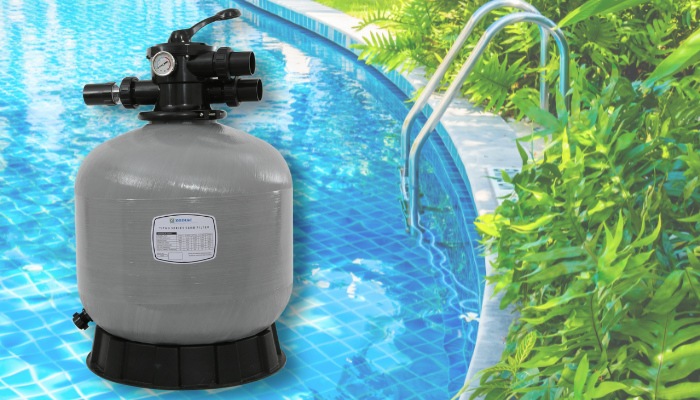
- Sand filters: Perform a thorough backwash followed by a rinse. Consider using a filter cleaner product to flush accumulated organics.
- Cartridge filters: Remove cartridge and soak in a dedicated filter cleaning solution overnight. Rinse thoroughly before reinstalling.
- DE filters: Complete backwash, break down and clean grids, recharge with fresh DE powder.
Recommended: Lo-Chlor Filter Cleaner & Degreaser — removes built-up oils, scale, and organic matter that can harbour algae.
Preventing Round Three: Long-Term Management
Clearing the algae is only half the battle. Keeping it gone requires ongoing vigilance. Mustard algae spores can remain dormant in pool surroundings and re-emerge when conditions favour them.
✓ Maintain Adequate Chlorine
Keep free chlorine at 2-4 ppm consistently. Mustard algae exploits dips in sanitiser levels, especially during hot weather when chlorine degrades faster.
✓ Weekly Preventative Algaecide
Use a maintenance dose of quality algaecide (e.g., Lo-Chlor Pool Algaecide at 150ml per 50,000L weekly) to maintain a residual protection layer.
✓ Regular Brushing
Weekly brushing of walls and floor prevents algae from establishing. Pay extra attention to shaded areas and spots with poor circulation.
✓ Equipment Hygiene
Periodically clean your robotic cleaner, brushes, and nets — even when there's no visible algae. Monthly is ideal during warm months.
✓ Monitor Your Stabiliser
High CYA levels reduce chlorine effectiveness. If it creeps above 80 ppm, consider a partial drain and refill. This is especially important for salt pools.
✓ Run Adequate Filtration
Your pump should run long enough to turn over the pool volume at least once daily (typically 6-8 hours). In summer, consider longer runs.
When It's Time to Call In Help
If you've followed this intensive protocol and the mustard algae returns again, there may be underlying issues that require professional diagnosis:
- Circulation dead spots creating algae-friendly zones
- Filter system underperforming or damaged
- Surface damage or porous areas harbouring spores
- Persistent contamination source that's been overlooked
- Water chemistry issues requiring professional testing
At Poolwise Padbury, we've dealt with stubborn algae infestations that have defeated multiple treatment attempts. Sometimes fresh eyes and professional-grade equipment make all the difference. Get in touch if you need backup.
📋 Quick Reference: Round Two Checklist
☐ Decontaminate ALL equipment, toys, swimwear
☐ Remove and clean robotic cleaner separately
☐ Lower pH to 7.0-7.2
☐ Verify stabiliser is below 50 ppm
☐ Aggressively brush entire pool
☐ Triple-shock to 30 ppm at dusk
☐ Add Lo-Chlor algaecide 30 mins after shock
☐ Run pump 24/7 for minimum 72 hours
☐ Backwash filter every 8-12 hours
☐ Re-brush at 24 and 48 hours
☐ Maintain 20+ ppm chlorine for 48 hours
☐ Deep clean filter once pool clears
☐ Test and rebalance water before swimming
☐ Implement ongoing prevention protocol
🚫 Final Reminder: Test Before You Swim
Do not enter the pool until free chlorine has dropped to 1-4 ppm, pH is 7.2-7.6, and the water is clear. This typically takes 3-5 days after intensive treatment. Your health is more important than getting back in the water quickly.
Need Algaecide or Professional Help?
We stock Lo-Chlor algaecides, shock treatments, and everything you need to eliminate stubborn mustard algae for good.
Disclaimer: This guide is intended for general information purposes. Always read and follow product label directions carefully. Chemical dosages are approximations based on a 50,000-litre pool — calculate for your specific volume. Wear appropriate protective equipment when handling pool chemicals. If you're uncertain about any aspect of treatment, consult a qualified pool professional. Poolwise Padbury accepts no liability for outcomes resulting from the application of information in this article.