


Leak Testing
Pool Leak Testing: Finding and Fixing Water Loss in Your Australian Pool
Noticing your pool water level dropping faster than usual? Before you blame evaporation or assume the worst, it's time to investigate. Australian pools naturally lose water to evaporation – our hot, dry climate guarantees it – but distinguishing between normal loss and an actual leak can save you thousands of litres of water and potentially expensive structural damage. The good news? You can diagnose most leaks yourself with simple testing methods.
Why Australian Pools Are Prone to Water Loss
Let's be honest – evaporation in Australia is significant. A typical backyard pool can lose 5-7mm of water per day during summer, more on hot, windy days. In Perth or Adelaide during a heatwave, you might see 10mm disappear daily through evaporation alone. But when you're adding water more than once a week, or when the loss continues during cooler weather, you likely have a leak.
The Simple Bucket Test
This is your first diagnostic tool and it's remarkably reliable. Here's how to do it properly:
Step-by-Step Bucket Test Method
Fill a plastic bucket three-quarters full with pool water and place it on your pool step or bench, weighted down so it won't tip. Mark the water level inside the bucket with a waterproof marker or piece of tape. At the same time, mark the pool water level on the outside of the bucket (or on the pool tile). Turn off your pool equipment – pump, chlorinator, water features, everything. Leave it for 24 hours, preferably on a day without rain.
After 24 hours, compare the two water levels. If the pool water level dropped more than the bucket water level, you have a leak. If they dropped equally, it's just evaporation. Simple, effective, and costs nothing.
Advanced Bucket Testing
For more detailed diagnosis, run the test twice – once with the pump off (as above) and again with the pump running normally. If you lose more water with the pump running, the leak is likely in your plumbing system. If water loss is the same regardless, you're probably looking at a structural leak in the shell or liner.
Common Leak Locations
Pump and Filter Equipment
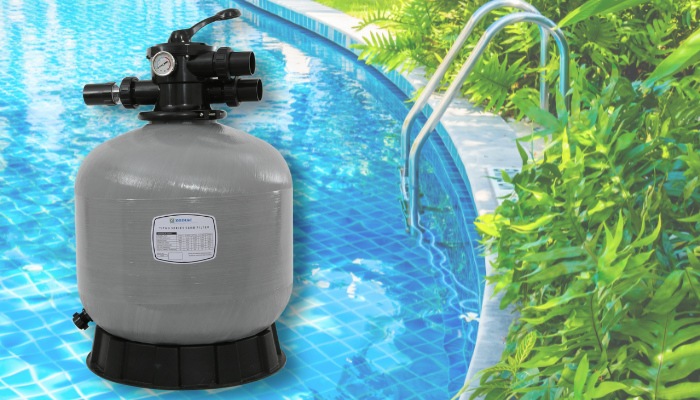
Check around your pump, filter, chlorinator, and heater for wet spots, drips, or water pooling underneath. These are usually easy to spot and often the simplest to fix. Look carefully at all unions, connections, and seals.
O-Rings and Seals
Here's a culprit many pool owners overlook – dried, cracked, or worn o-rings. These rubber seals are everywhere in your pool system: pump lids, filter housings, multiport valves, chlorinator cells, and pipe unions. In Australia's harsh UV and heat, o-rings deteriorate quickly, especially when not maintained.
O-rings need regular lubrication with silicone-based lubricant to stay flexible and watertight. A dried-out o-ring in your pump lid can leak litres of water daily without being obvious. Check all visible o-rings every few months – if they look dry, cracked, or flattened, replace them. They're inexpensive insurance against water loss.
Underground Plumbing
This is trickier. Leaking underground pipes often show indirect signs: constantly wet areas around the pool, sinking pavers, unusually lush grass near pool plumbing, or higher water bills. If you suspect underground leaks, it's time to call a professional with leak detection equipment.
Pool Shell or Liner
Concrete pools can develop cracks, especially in areas with reactive soils (common in many Australian regions). Vinyl liners can tear or separate at seams. Fibreglass pools occasionally develop stress cracks. These leaks typically continue regardless of whether your equipment is running.
Skimmer and Returns
The skimmer is a frequent leak point, particularly where it meets the pool wall. Look for cracks in the skimmer box, deteriorated seals, or gaps in the grout or sealant. Return jets can also leak if their housings crack or seals fail.
Lights and Fittings
Pool lights create necessary penetrations through your pool wall, and their seals can fail over time. Check the conduit behind the light niche and the light housing seal. Similarly, handrail sockets, ladder anchors, and any other fittings can develop leaks.
Visual Inspection Techniques
The Dye Test
Once you've narrowed down a suspected area, use pool dye or food colouring for pinpoint detection. With the pump off and water still, squirt dye near the suspected leak. The dye will be drawn toward any leak, clearly showing you the exact location. This works brilliantly around skimmers, returns, lights, and visible cracks.
The Listening Test
For pressurised plumbing leaks, sometimes you can hear them. Turn off all equipment, then put your ear near suspected areas or use a screwdriver as a makeshift stethoscope (place the handle against your ear and the tip against pipes). Hissing sounds indicate escaping water.
Seasonal Considerations
Test for leaks during autumn or spring when evaporation rates are lower and easier to account for. Summer testing works but requires longer observation periods because evaporation can mask small leaks. Never dismiss water loss in winter – if your pool is dropping noticeably during cooler months, you definitely have a leak.
When Water Loss is Normal
Before panicking, remember these normal water loss scenarios:
- Summer evaporation: 5-10mm daily is typical in most Australian climates
- After heavy pool use: splashing removes significant water
- Backwashing: a single backwash removes 200-400 litres
- Pool covers removed: uncovered pools lose dramatically more to evaporation
- Hot, windy days: can double or triple evaporation rates
DIY Repairs vs Professional Help
Some leaks are DIY-friendly: replacing o-rings, tightening unions, resealing skimmers with pool putty, or patching small vinyl tears. However, call a professional for underground plumbing leaks, major structural cracks, or when you can't locate the source after thorough testing. Professional leak detection uses pressure testing, electronic listening devices, and even underwater cameras to find hidden problems.
The Cost of Ignoring Leaks
A small leak losing 5mm daily beyond normal evaporation wastes about 1,000 litres weekly in a typical pool. That's 50,000+ litres annually – enough to fill your pool twice. Beyond water waste, leaks can erode soil around your pool, damage surrounding structures, waste chemicals and salt, and drive up your water bill significantly.
Prevention Through Maintenance
- Lubricate all o-rings every 3-6 months with silicone lubricant
- Replace o-rings annually as preventative maintenance
- Inspect equipment seals whenever you open housings for cleaning
- Keep pool chemistry balanced to prevent corrosion of fittings
- Monitor water level weekly – catch small leaks before they become large ones
- Address cracks in pool surrounds promptly to prevent water infiltration
- Have professionals pressure-test plumbing every few years
Fun Fact: A leak the width of a ballpoint pen (about 1mm) in your pool plumbing can waste approximately 4,000 litres per month – that's enough water for an average Australian household's daily use for nearly two weeks! Even tiny leaks add up quickly when water is flowing 24/7. This is why that seemingly insignificant drip from your pump seal or that small crack you've been meaning to fix can cost you hundreds of dollars in wasted water annually.
The Bottom Line
Water loss happens in every Australian pool, but knowing the difference between evaporation and leaks protects your investment. The bucket test takes five minutes to set up and gives you definitive answers within 24 hours. Most importantly, don't overlook simple culprits like deteriorated o-rings – often the easiest and cheapest fixes make the biggest difference.
Regular inspections, proper o-ring maintenance, and prompt attention to small issues prevent expensive repairs down the track. Your pool holds tens of thousands of litres of precious water – in Australia's climate, every drop counts. Test annually, stay vigilant, and address leaks promptly. Your water bill, your pool structure, and the environment will all thank you.
If you need to get the job looked at by a professional, give ua call, our ream will be more than happy to put you in contact with a specialist Pool Leak Detector.