

Red eyes from swimming - what to know
Red Eyes in Swimming Pools
Understanding the Real Causes, Prevention & Treatment
Your Complete Perth Pool Owner's Guide from Poolwise Padbury
💡 The Surprising Truth
Contrary to popular belief, red eyes after swimming are not caused by too much chlorine. According to the Centers for Disease Control and Prevention (CDC), the real culprits are chloramines (formed when chlorine reacts with sweat, urine, and body oils) and unbalanced pH levels. In fact, that strong "chlorine smell" at pools actually indicates there's not enough free chlorine doing its job!
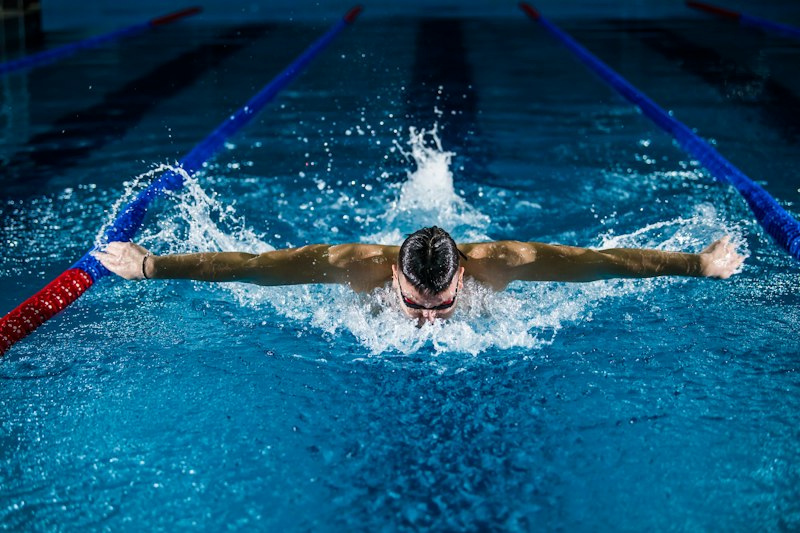
Wearing properly fitted goggles is one of the best ways to protect your eyes while swimming
📋 In This Guide
What Really Causes Red Eyes in Swimming Pools?
We've all experienced it – stepping out of the pool with bloodshot, irritated eyes. For years, most people blamed "too much chlorine." However, this is one of the most persistent myths in pool care. The science tells a different story.
Chloramines (Combined Chlorine)
The primary cause of eye irritation. These form when chlorine combines with nitrogen compounds from sweat, urine, body oils, and cosmetics. Chloramines are 60-80 times less effective at sanitising than free chlorine.
Unbalanced pH Levels
Human tears have a pH of approximately 7.4-7.5. When pool water pH strays too far from this range (ideal: 7.2-7.8), it causes a chemical imbalance that directly irritates the eyes.
Tear Film Disruption
Pool water is "hypotonic" compared to your tears, meaning it has a lower salt concentration. This causes water to move into eye cells, causing them to swell and become irritated.
Bacteria & Contaminants
When chloramines are present, less free chlorine is available to kill germs. This can allow bacteria to survive, potentially leading to conjunctivitis (pink eye) or other infections.
Understanding Chloramines: The Real Enemy
Chloramines are chemical compounds that form when free chlorine reacts with nitrogen-containing substances. Think of them as "used up" chlorine that's bound to contaminants instead of actively sanitising your pool.
How Chloramines Form:
Common Sources of Nitrogen Contamination:
- Perspiration: An active swimmer can produce up to 500ml of sweat per hour
- Urine: A significant contributor – the CDC confirms this is a major cause of eye irritation
- Body oils and dead skin cells: Naturally shed during swimming
- Cosmetics and sunscreen: Wash off swimmers' bodies into the water
- Deodorants and perfumes: Contain nitrogen compounds
- Environmental factors: Rain (especially acid rain), lawn fertilisers, and organic debris
⚠️ The Telltale Sign: If you can smell a strong "chlorine" odour at a pool, you're actually smelling chloramines, not chlorine. A properly balanced pool with adequate free chlorine has minimal odour. That "pool smell" is a warning sign that the water chemistry needs attention!
The Critical Role of pH Balance
Many pool industry experts argue that pH imbalance is actually the most common cause of eye irritation in pools – even more so than chloramines. Here's why:
❌ Low pH (Below 7.0)
- Stinging, burning eyes
- Skin irritation and rashes
- Corrosion of pool equipment
- Etching of pool surfaces
✓ Ideal pH (7.2-7.8)
- Comfortable swimming
- Optimal chlorine effectiveness
- Protected equipment
- Matches human tear pH (7.4-7.5)
❌ High pH (Above 8.0)
- Reduced chlorine effectiveness
- Skin rashes and irritation
- Cloudy water
- Scale formation
Symptoms of Swimmer's Eye
"Swimmer's eye" is the common term for eye irritation caused by pool chemicals and contaminants. It's typically a combination of tear film disruption, chemical conjunctivitis, and corneal swelling.
Redness
Burning Sensation
Itching
Excessive Tearing
Blurred Vision
Dryness & Gritty Feeling
Light Sensitivity
Swollen Eyelids
Good News: Normal swimmer's eye symptoms typically resolve within a few hours after leaving the pool. If symptoms persist beyond 24 hours, or if you experience severe pain, discharge, or vision problems, consult an eye care professional immediately.
Prevention Strategies
For Swimmers
🥽 Wear Swimming Goggles
The single most effective prevention method. Choose well-fitted, watertight goggles that create a seal around your eyes. They should produce a slight suction when pressed against your face.
🚿 Shower Before Swimming
A one-minute shower removes most sweat, oils, cosmetics, and sunscreen from your body, significantly reducing chloramine formation. Research shows 54% of swimmers skip this crucial step!
🚽 Use the Toilet First
Never urinate in the pool. Urine is a major contributor to chloramine formation and is directly linked to eye irritation. Encourage all family members to use the bathroom before swimming.
💧 Use Lubricating Eye Drops
Apply preservative-free artificial tears before and after swimming. These create a protective barrier and help restore your tear film. Avoid "get the red out" drops like Visine – they can worsen the problem.
👓 Remove Contact Lenses
Never swim with contact lenses. Pool chemicals and bacteria can become trapped between the lens and your eye, dramatically increasing infection risk. The FDA advises against exposing contacts to any water.
🧼 Rinse Eyes After Swimming
Splash clean, fresh water over your closed eyelids immediately after swimming. This helps remove residual chlorine and contaminants before they cause irritation.
For Pool Owners
- Maintain proper free chlorine levels (2-4 ppm): This ensures adequate sanitisation while minimising irritation
- Keep pH balanced (7.2-7.8): Test at least twice daily during heavy use
- Monitor combined chlorine: Keep below 0.5 ppm; anything above indicates chloramine buildup
- Shock regularly: Superchlorination breaks down chloramines and restores water quality
- Ensure good circulation and filtration: Run your pump at least 8-10 hours daily
- Encourage pre-swim showers: Post signs reminding swimmers to shower first
- Test water regularly: Use quality test kits or bring samples to Poolwise Padbury for professional analysis
Immediate Remedies for Irritated Eyes
If you're experiencing red, irritated eyes after swimming, here's what you can do for immediate relief:
-
Flush Your Eyes
Rinse your eyes with cool, clean water or sterile saline solution (eye wash) for 15-20 minutes. This removes residual chemicals and contaminants.
-
Apply Artificial Tears
Use preservative-free lubricating eye drops every hour for 4-6 hours after swimming. Look for products labelled "artificial tears" or "lubricating drops."
-
Use a Cold Compress
Apply a cool, damp washcloth or ice pack wrapped in cloth to your closed eyes for 5-10 minutes. This reduces inflammation and provides soothing relief.
-
Stay Hydrated
Drink plenty of water to help maintain your eyes' natural moisture levels from the inside out.
-
Rest Your Eyes
Avoid further exposure to pool water, chlorine, or other irritants until symptoms resolve. Don't rub your eyes – this can worsen irritation.
⚠️ Important Warning About "Redness Relief" Drops
Never use Visine or similar "get the red out" eye drops for swimmer's eye. These products work by constricting blood vessels, which can cause "rebound vasodilation" – where blood vessels become chronically enlarged, leading to persistent red, dry eyes. Stick with lubricating artificial tears instead.
Long-Term Effects of Repeated Exposure
While occasional swimmer's eye is typically harmless, frequent exposure to poorly balanced pool water can have cumulative effects on your eye health.
Chronic Dry Eye Syndrome
Repeated chlorine exposure can leave your tear film unstable, preventing your eyes from properly producing tears. This leads to persistent dryness, grittiness, and discomfort even outside the pool.
Corneal Damage
With repeated unprotected exposure, the protective tear film that shields your cornea can become persistently compromised, potentially leading to corneal swelling or surface damage.
Increased Infection Risk
A damaged tear film leaves eyes more vulnerable to bacterial and viral infections, including conjunctivitis (pink eye) and pharyngoconjunctival fever (PCF), which can become chronic.
Acanthamoeba Keratitis (Contact Lens Wearers)
Swimming with contact lenses dramatically increases the risk of this serious parasitic infection. It can lead to corneal ulcers, permanent vision damage, and may require corneal transplant in severe cases.
The Good News
Most long-term effects are preventable with proper pool maintenance and personal protection. Regular swimmers who consistently wear goggles and swim in properly maintained pools rarely experience chronic eye problems. If you're a frequent swimmer or competitive athlete, annual eye exams can help catch any developing issues early.
Quick Solution: Lo-Chlor Chlorine Remover
When high chlorine levels are causing discomfort and irritation for swimmers, Lo-Chlor Chlorine Remover provides a fast-acting solution that quickly reduces chlorine and bromine to safe, comfortable levels.
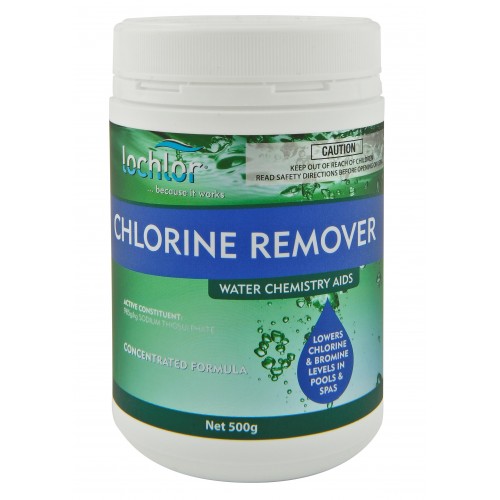
Why Choose Lo-Chlor Chlorine Remover?
- Fast-Acting: Results in just hours to reduce chlorine levels
- Highly Concentrated: A little goes a long way – extremely potent formula
- Compatible: Works with all other pool chemicals
- Australian Made: Quality Lo-Chlor product trusted by professionals
- Reduces Bromine Too: Effective on both chlorine and bromine levels
How to Use Lo-Chlor Chlorine Remover
Test Your Water
Determine current chlorine levels
Calculate Dose
See dosage table below
Add Gradually
One capful at a time for domestic pools
Wait & Retest
Allow a few hours, then test again
⚠️ Important Notes:
- This product is extremely potent – for domestic pools, add only one capful at a time
- Don't use more than indicated, as achieving a chlorine level will become very difficult if overdosed
- Fibreglass pools: Pre-dissolve in a bucket first. Direct addition can cause staining if water is incorrectly balanced
Lo-Chlor Chlorine Remover is available at Poolwise Padbury
Ask our team about the right dosage for your pool size
The Importance of Regular Water Testing
Preventing red eyes and swimmer discomfort starts with knowing exactly what's in your pool water. Regular testing is the foundation of proper pool care and the key to preventing irritation before it happens.
What You Should Test & How Often
Daily Tests (During Swimming Season)
- Free Chlorine (2-4 ppm)
- pH Level (7.2-7.8)
- Combined Chlorine/Chloramines (below 0.5 ppm)
Weekly Tests
- Total Alkalinity (80-120 ppm)
- Cyanuric Acid/Stabiliser (30-50 ppm)
- Calcium Hardness (200-400 ppm)
Monthly Professional Test
- Comprehensive water analysis
- Phosphate levels
- TDS (Total Dissolved Solids)
- Metal content (copper, iron)
Home Testing vs Professional Analysis
🏠 Home Test Kits
Best for: Daily monitoring of chlorine and pH
- Test Strips: Quick and convenient, but less accurate
- DPD Liquid Test Kits: More accurate, recommended by CDC for home use
We stock a range of quality home test kits at Poolwise Padbury
🔬 Professional In-Store Testing
Best for: Comprehensive monthly analysis and troubleshooting
- Tests up to 10+ parameters with laboratory accuracy
- Identifies issues home tests can miss
- Provides personalised treatment recommendations
- Detects phosphates, metals, and other contaminants
FREE water testing available at Poolwise Padbury!
🧪 Combined Chlorine: The Key Metric for Eye Comfort
Your home test kit can calculate combined chlorine using this simple formula:
If combined chlorine exceeds 0.5 ppm, it's time to shock your pool or bring a sample to Poolwise for analysis.
Need Help With Your Pool Water?
At Poolwise Padbury, we're your local experts in pool water chemistry. Whether you're dealing with red eyes, cloudy water, or just want to ensure your pool is healthy and comfortable for your family, we're here to help.
Bring in a sample for professional analysis
Including Lo-Chlor Chlorine Remover
Personalised recommendations
Visit Us in Padbury
📍 Location: Shop 14, 75 Warburton Avenue, Padbury WA 6025
📞 Phone: (08) 9403 6000
This article is provided for informational purposes by Poolwise Padbury.
For persistent or severe eye symptoms, please consult an eye care professional.
© Poolwise Padbury | Your Local Perth Pool Experts