

How to make pool water more blue
How Do I Make My Pool Water More Blue?
The science, the solutions, and what actually works
"My neighbour's pool looks so blue and inviting, but mine looks kind of green or dull. What am I doing wrong?"
This is one of the most common questions we hear at Poolwise, and it's a great one. That stunning Caribbean blue you see in resort pools or your neighbour's backyard isn't magic—it's a combination of chemistry, physics, and a few factors you might not have considered.
Let's dive into what actually makes pool water appear blue, what might be affecting your pool's colour, and the practical steps you can take to achieve that crystal-clear, inviting blue you're after.
Why Water Looks Blue in the First Place
Here's something that surprises most people: pure water isn't actually colourless—it has a slight natural blue tint. When sunlight enters water, the water molecules absorb red wavelengths of light more readily than blue wavelengths. The blue light gets scattered and reflected back to your eyes, which is why deep bodies of water appear blue.
In a swimming pool, this effect is amplified by the depth of the water and—crucially—by how clear and free of particles the water is. The cleaner your water, the more those blue wavelengths can bounce around and reach your eyes without interference.
What Actually Affects Your Pool's Colour
Water Chemistry
Balanced water is clear water. High pH, metals in solution, or imbalanced sanitiser levels all create conditions where particles scatter light incorrectly, making your water appear dull, cloudy, or even greenish.
Dissolved Metals
Copper gives water a blue-green tint (think corroded pipes or cheap algaecides). Iron creates brown or rust-coloured water. These dissolved metals aren't visible until oxidised, then suddenly your water has a tinge.
Algae (Even Invisible Amounts)
You don't need a full bloom to affect colour. Microscopic algae spores suspended in water absorb blue light and reflect green. Even "clear" water can have enough algae to shift the colour.
Pool Surface & Surroundings
A white or light blue pool finish reflects blue wavelengths, amplifying the blue appearance. Dark finishes absorb light, making water appear darker or more emerald. Surrounding landscape colours also reflect into the water.
Sunlight & Time of Day
Direct sunlight makes water appear more vibrant blue. Overcast days or shade shift the colour toward grey-green. Morning and evening light has different colour temperatures than midday sun.
Water Depth
Deeper water appears more intensely blue because there's more water for light to travel through, absorbing more red wavelengths. Shallow sections will always look lighter or more transparent.
The Pool Water Colour Spectrum
Understanding where your pool sits on this spectrum helps diagnose the issue:
Practical Steps to Bluer Water
Your Blue Water Action Plan
What About Pool Dyes?
Yes, pool dyes exist. They're non-toxic colour additives that can tint your water blue. Some people use them, especially for events or to mask naturally greenish water. However, here's our honest take:
⚠️ Our Professional Opinion on Pool Dyes
Pool dyes are a band-aid, not a solution. If your water doesn't look blue naturally, something is wrong with the water chemistry, filtration, or both. Dyes mask problems rather than fixing them. They can also stain swimwear, affect water testing accuracy, and need constant re-application. Fix the underlying issue and you'll have genuinely blue water that stays that way.
The Surface Factor
If you've done everything right chemically and your water still doesn't have that deep blue look, your pool surface might be the limiting factor:
| Surface Type | Water Appearance |
|---|---|
| White plaster/pebble | Bright, light blue—classic pool look |
| Light blue tiles/finish | Enhanced blue, very vibrant |
| Medium blue finish | Deeper, resort-style blue |
| Dark grey/charcoal | Dark, lagoon-like appearance |
| Black pebble | Very dark, reflective, mirror-like |
| Green/aqua tints | Tropical, blue-green appearance |
You can't make a dark-finished pool look Caribbean blue—the physics won't allow it. But you can make it look its absolute best with proper chemistry and filtration.
🚫 Common Myths Busted
Myth "Adding more chlorine makes water bluer"
Fact Excess chlorine doesn't change colour and can actually make water appear slightly hazy. Proper chlorine levels keep water clear, but more isn't bluer.
Myth "Copper-based algaecides make water blue"
Fact They can add a blue-green tint, but excess copper causes staining on surfaces and hair. Not recommended for achieving blue water.
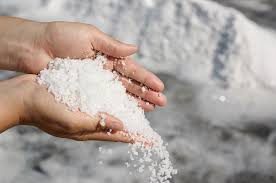
Myth "Blue salt makes water blue"
Fact Some pool salts have blue dye for visibility when pouring—it dissolves completely and doesn't colour your water.
Myth "Resort pools have special chemicals"
Fact Resort pools look amazing because they have dedicated technicians maintaining perfect chemistry and filtration 24/7. Same chemicals, just meticulous care.
💡 Pro Tip: The "Overnight Test"
Want to know if you have an algae problem affecting your colour? Test your chlorine at night, then again first thing in the morning before the sun hits the pool. If you've lost more than 1-2ppm overnight, you've got organic matter (likely algae) consuming your chlorine and affecting your water clarity. Time for a proper shock treatment.
The Bottom Line
That gorgeous blue pool water you're chasing isn't achieved with a magic product or secret additive. It's the result of proper water chemistry, effective filtration, and keeping organic matter and metals at bay.
The good news? It's absolutely achievable for any pool. The path is straightforward: test, balance, filter, maintain. Do these things consistently and your pool will reward you with that inviting, sparkling blue you're after.
If you've tried everything and your water still won't cooperate, bring us a sample. Sometimes it takes a professional eye to spot what's going on—and we're always happy to help.
Not Sure What's Affecting Your Water Colour?
Bring a water sample to Poolwise Padbury for a comprehensive free test. We'll identify exactly what's going on and give you a clear action plan.
Call (08) 9403 6000