

Basic Pool Anatomy
Understanding Pool Anatomy: A Complete Guide to Your Pool's Equipment
Just like the human body, your pool is a precision system — with every part working together to keep it running smoothly. Understanding how these components function will help you maintain a beautiful, healthy swimming pool for years to come.
How Your Pool Works
Think of your pool's filtration system like your circulatory system. Your heart pumps blood to keep you alive; your pool pump circulates water to keep your pool clean and comfortable. And just as you need regular health check-ups, your pool requires consistent maintenance to perform at its best.
A well-functioning pool depends on two things: adequate working equipment and the right chemical balance. Water clarity refers to how the water appears, while water quality is how clean it actually is. When your water chemistry, circulation, and filtration are properly balanced, you should be able to see clearly to the bottom of your pool.
Essential Pool Equipment
Your filtration system consists of several interconnected components: a pump, filter, chlorinator, and potentially a heater. Together, these work to remove dirt and debris while distributing the chemicals that keep your pool sanitised and safe for swimming.
Whatever type of in-ground pool you have, your equipment should be made from quality, non-corrosive materials. Whether you're building a new pool or upgrading an existing one, investing in high-quality, durable, and energy-efficient equipment will help conserve energy and keep your electricity bills reasonable.
The Pool Pump
Your pool pump is the heart of the entire system. This centrifugal pump circulates water through the filtration system where it's cleaned and heated (if your pool has a heater). Typically located on the intake side of the filter, the pump pushes water through the filter, heater, and other components.
Types of Pool Pumps
Single Speed Pumps: Run at one constant speed. The most basic and least energy-efficient option.
Two Speed Pumps: Offer high and low speed settings, providing some flexibility and energy savings.
Variable Speed Pumps: The most energy-efficient choice. The motor automatically adjusts to operate at lower, cost-saving speeds depending on your filtration system's immediate needs. While the upfront cost is higher, the long-term energy savings make this the smartest investment for most pool owners.
The Pool Filter
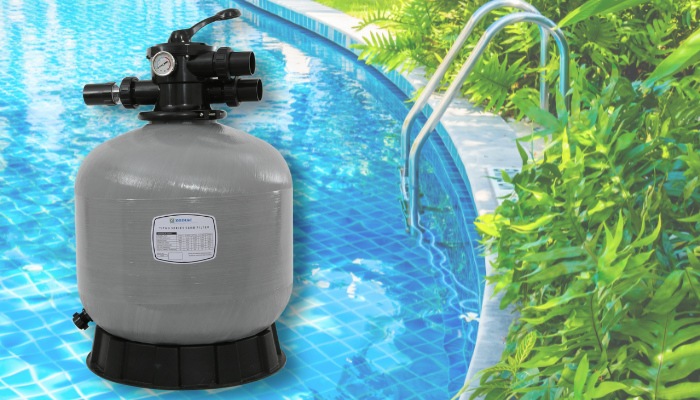
Working hand-in-hand with your pump, the filter traps debris, hair, dirt, sand, and fine particles invisible to the naked eye. Pool water enters the filter, passes through the filter medium, and exits clean on the other side.
Types of Pool Filters
Diatomaceous Earth (DE) Filters: Provide the finest filtration, trapping the smallest particles for crystal-clear, glassy water. Ideal for those who want the best possible water clarity.
Sand Filters: Popular for their ease of installation and maintenance. The filter media doesn't require frequent replacement, making them a low-maintenance choice.
Cartridge Filters: A cost-effective option that requires no backwashing. Simply remove the cartridge for cleaning or replacement.
When selecting a filter, ensure it's appropriately sized for your pump's flow rate (litres per minute). Your choice may also depend on local council requirements or your pool builder's recommendations.
Important: Your filter removes physical debris but won't eliminate bacteria or other organisms — that's where your sanitising chemicals come in.
The Chlorinator
The chlorinator's job is to add sanitising agents to your water, keeping it safe and free from harmful bacteria and algae.
Types of Chlorinators
Tablet Chlorinators: Use slow-dissolving chlorine tablets that release sanitiser over time.
Liquid Chlorine Systems: Require regular addition of liquid chlorine to maintain sanitiser levels.
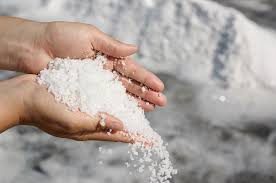
Salt Chlorinators: Generate chlorine naturally through electrolysis using dissolved salt in your pool water. This popular option produces softer-feeling water and eliminates the need to handle and store chlorine products.
The Pool Heater
A heater extends your swimming season and lets you enjoy comfortable swims early in the morning, in the evening, or during cooler months.
Types of Pool Heaters
Gas Heaters: Heat water quickly and work well in any climate. Ideal when you want to heat the pool rapidly or only occasionally.
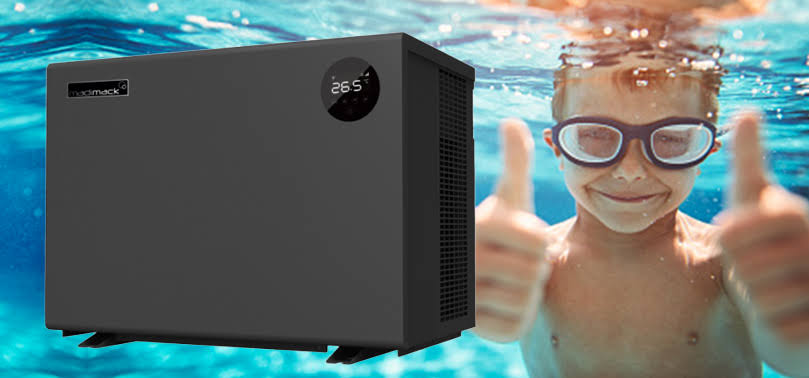
Electric Heat Pumps: Extract warmth from the surrounding air to heat your pool. More energy-efficient than gas but work best in moderate climates and take longer to raise water temperature.
Solar Heating: Uses the sun's energy to warm your pool water. The most economical option to run, though effectiveness depends on your location and sun exposure.
Your pool professional can help determine the appropriate heater type and size based on your pool's volume, your climate, and how you plan to use your pool.
The Skimmer
The skimmer is your pool's first line of defence against surface debris. Built into the pool wall at water level, it features a basket that catches leaves, insects, and other floating debris before they sink to the bottom.
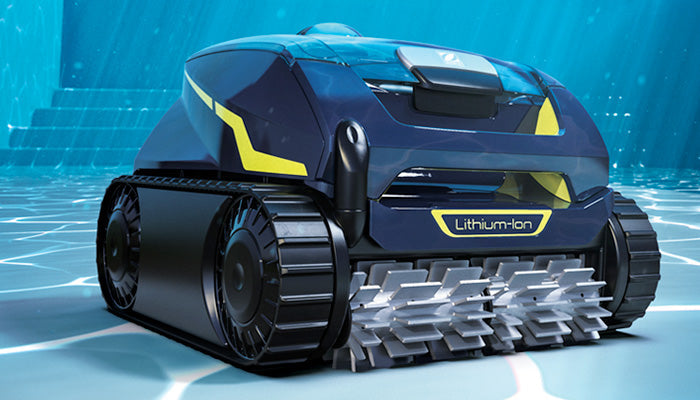
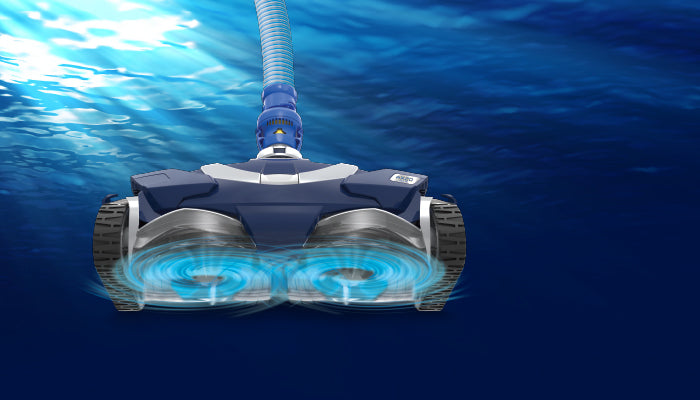
Connected to the pump intake, the skimmer draws water (and debris) into the filtration system. Some skimmers can also be fitted with adaptors for automatic or robotic pool cleaners, making maintenance even easier.
Keeping Everything Running Smoothly
These essential components are the vital organs of your swimming pool. Maintain them well, service them regularly, and they'll work together to give you a beautiful, healthy pool that's ready for enjoyment whenever you are.
If you'd like to learn more about your pool equipment or need professional maintenance and repairs, the team at Poolwise is here to help. As Perth's trusted pool professionals, we service and supply all major brands including Maytronics, Zodiac, and AstralPool.
Need help with your pool equipment? Contact Poolwise today for expert advice, quality products, and professional service throughout Perth's northern suburbs.